• Skip to main content

089 4612537

info@fingalspca.ie

SUPPORT OUR WORK
  • About Us
    • Report Animal Cruelty
    • Financial Regulation
    • Complaints Procedure
  • Needing Homes
  • Lost & Found
  • How You Can Help
  • Useful Info
  • Blog
  • Contact Us
  • Disclaimer
FSPCA current logo - circle

Fingal S.P.C.A.

Fingal Society for the Prevention of Cruelty to Animals

Fingal SPCA Volunteer

Can you foster

January 26, 2025 by Fingal SPCA Volunteer

We are always looking for North County Dublin and Fingal based fosterers to care for rescued kittens and cats, to help them socialize and prepare for their forever homes.  The kittens and cats are vet checked and all veterinary costs are covered. We also supply food and litter.

So if you are based  in the FINGAL area including Swords, Balheary, Ballyboughal, Balbriggan, Garristown, Naul, Skerries, Rush, Lusk, Donabate and Portrane and would like to help, please don’t hesitate to get in touch.

Remember fostering can be a good way of enjoying the companionship of a loving animal without the lifelong commitment.   Our experienced team will also be on hand to answer any questions or give advice.

We also accept donations for vet fees and food to help provide for the rescued animals. CONTACT US ON 089 461 2537 to talk about fostering.

Foster

Filed Under: Needing Homes

Foster for us

February 24, 2021 by Fingal SPCA Volunteer

Can you Foster?

Would you consider becoming a temporary fosterer to an animal?

We rescue all sorts of animals: dogs, cats/kittens even budgies and as we don’t have a physical shelter, all the animals we rescue are taken into either kennels/catteries or the homes of our foster volunteers until a permanent home can be found.

We are always looking for more foster homes because the more places we have available, the more animals we can take in and help.

Sometimes it may be that you have considered adopting an animal but feel your current lifestyle just doesn’t suit a long term commitment? Or maybe you’re not sure how you and a pet would get on? Fostering is an ideal way of helping an animal in need and gaining valuable first hand experience of owning a pet.

A loving foster home works wonders for any animal who has experienced abandonment and a tough start in life.  A loving foster home can allow them to become socialised and develop into a friendly contented animal, while they wait for their new forever home.  So if you have a secure premises and a lot of love, then fostering could be for you.

We cover all veterinary costs and supply food and litter.  Advice and backup is always on hand.

Send us an email and let's talk

Yes I'm interested in fostering

Filed Under: News

Volunteer

February 19, 2021 by Fingal SPCA Volunteer

Volunteer

Become a Volunteer

The Fingal SPCA is comprised entirely of volunteers. They are the lifeblood of our organization and the reason we are able to offer services to the animals who need our help each year.

In particular, we are seeking volunteers to help with rescuing animals by catching wild cats and bringing them to the Vets for spaying or treatment. This helps reduce the overpopulation of stray cats and promote better health and quality of life for the neutered male and spayed female.

Our problem a lot of the time is lack of manpower in getting the traps to the areas needed.

We would love to have more volunteers in the Fingal area to help us continue with this vital work.

Training will be given but you will need a car or van. Limited petrol expenses available.

If you are interested in learning more about becoming a volunteer please contact us on 089 461 2537 or by email

Yes I'm interested in volunteering

Filed Under: News

Stray cat in the garden

February 8, 2021 by Fingal SPCA Volunteer

What to do about a stray cat

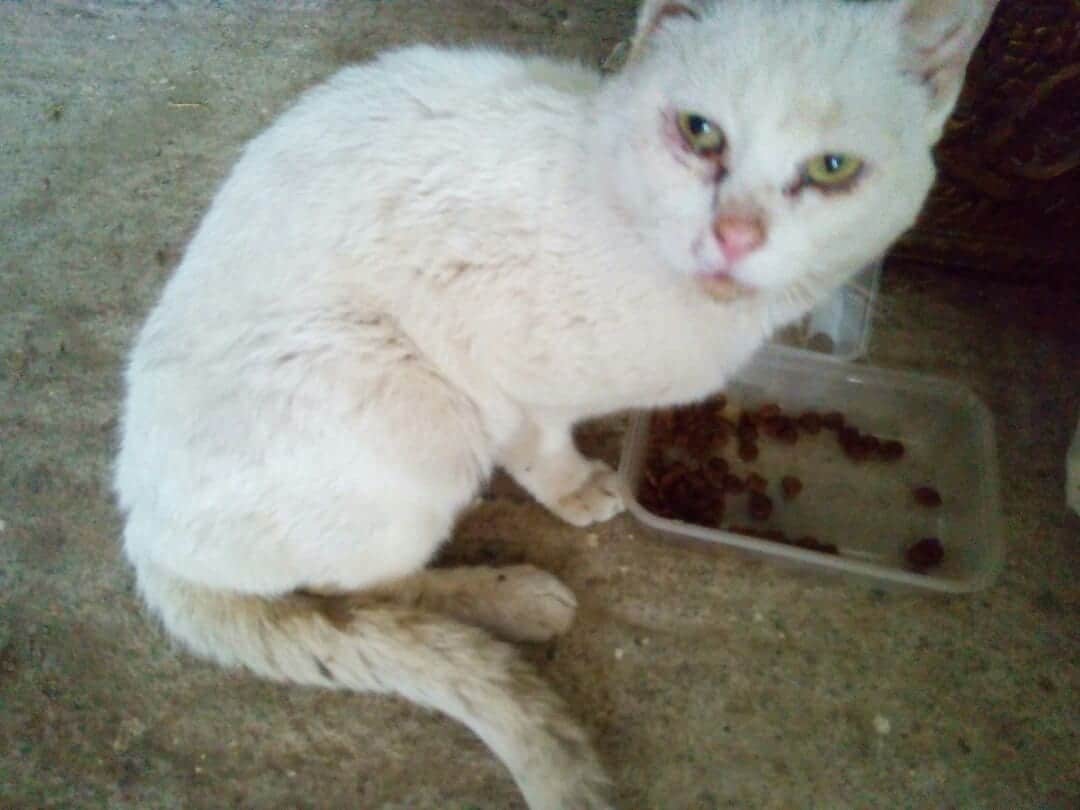
You may have noticed stray cats in your garden.  If they seem to have no other home, they may be a wild cat.  A wild cat is merely a domestic cat who has been born and raised without contact with humans.  Or a cat who has not had contact with humans for a significant period of time and has become unsocialised.

Usually this happens when they are dumped by owners no longer willing or able to care for them.  Others have been left behind when their owners moved house or passed away.  Some are lost.  Many will have reverted to a wild state in order to survive.  Their offspring will be wild as they will not have had interaction with humans.  These cats endure a very difficult life, often struggling to survive in sometimes harsh conditions with not enough to eat on a daily basis, a lack of adequate shelter from the elements and with no access to veterinary treatment.  All are trying to survive as best they can.

If you would like to help wild cats in this situation we need to:

19578604_10155368897184178_482273259_o

Spay/Neuter

  • One female cat and her offspring can be responsible for a colony of 30 cats in an area in just one year.
  • A Trap/neuter/return (TNR) policy will prevent more cats from being born and the numbers increasing.  Too many cats in an area can cause problems, particularly neighbourhood disharmony, so it’s vital their breeding is stopped and their numbers contained as soon as possible.
  • Regardless of how wild a cat is, humane traps are available to trap them for transportation to a vet where they are spayed/neutered, treated for parasites and after a recovery period returned back to their location to continue to live and be fed by caring individuals.

The Fingal SPCA offers such a service so if you think a wild cat is in your area, please contact us on 089 461 2537 or by email.

Feed Regularly

  • Access to food on a regular basis is vital to ensure they survive and thrive.  If you have cats in your area or workplace, feeding them once or twice daily will be ideal.
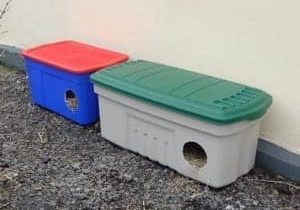
  • Or you can set up a feeding station.  A gravity feeder which will keep dry cat food fresh for several days, can be placed inside a plastic storage container with a hole cut out to allow the cats access. Place it out of public view to prevent it being stolen or tampered with.
  • Feeders come in various sizes to allow cats to eat for several days before the food runs out.  Read more on setting up a feeding station for cats. More idea for feeding stations here.

Provide Shelter

Shelter

Shelter is vital for wild cats to help them survive the winter weather.  If cats are coming into your garden, consider allowing them to shelter in a shed or garage via an open door or window or cutting a cat sized opening in a door or installing a cat flap. A dog kennel is another option. Simple beds made with plastic containers lined with straw are easy to keep clean and the straw is inexpensive to replenish.

Cheap weatherproof shelter such as styrofoam boxes can be set up very easily.

These boxes are available from restaurants, fish shops, vets, hospitals etc. Simply cut out a cat sized hole in the box, tape the lid on, cover with a heavy duty refuse sack and line with straw to make a cosy shelter that the cats will appreciate.  Place out of public view and weigh down with rocks or bricks on top. Check the boxes regularly and replace the straw when necessary.

Click here to see further Examples of shelter boxes.  We would recommend that these types of boxes are used in domestic, garden settings only. We can provide kennel type shelters if required, please contact us to discuss.

Litter Trays

To keep your garden and area clean, providing a litter tray is a good idea. Provide covered litter trays or sand/compost boxes in an appropriate area and clean regularly.

Our thanks to Feral Cats Ireland Organisation for this information.

Filed Under: News

Guide for the Arrival of Your Cat or Kitten

February 1, 2021 by Fingal SPCA Volunteer

So you got a kitten?

Welcoming a cat into your home is a wonderful and life-changing experience, both for the animal and his human companion. We are very happy you decided to open your home (and your heart!) to a rescue cat/kitten.

We’ve put together some tips which will help you understand your cat’s needs and help your furry friend settle well with you.  Topics include Introducing Your Cat to His New Life, Understanding Cat’s Body Language, Nutrition, Sleep, Hygiene, Playing and Education, Health &  Safety and even Adopting a Second Cat

Click Here to download our guide

Filed Under: News

Found a Pet?

January 3, 2021 by Fingal SPCA Volunteer

Found a Pet?

Found a Pet?

If the animal is uninjured and hungry, please feed it with appropriate food, and make water available (don’t give milk as the animal may be lactose intolerant).

Bring the animal to your local vets, animal shelter or dog pound so they can scan them for a Microchip which will hopefully have the owner’s details.

If it is a dog please bring him to the local pound or ring your local animal shelter to see if they have room to take the dog in.   If the pound or animal shelter is closed you can bring the dog to your local Garda station.  The Gardai can then ring the emergency Dog Warden.

If it is a cat or other animal please bring them to your local animal shelter.  Ring them first to see do they have room for them.  Please keep the animal overnight if the animal shelter is closed and ring them in the morning.

If you choose to keep the animal in your home until you find the owner:

  • All found dogs MUST be reported to the local dog warden – number can be located from Directory Enquiries.
  • Place an ad in the lost and found section of  www.lostandfoundpets.ie.
  • Create a poster with the animal’s details, where found, your mobile contact number and a picture of the animal and give this to your local Garda stations, vets, etc. Put this poster up around the area where you found the pet.  It is a good idea not to give a full description of the animal so that if someone contacts you saying the animal belongs to them you can check those extra details.
  • Call your local animal shelter to get the animal logged in their Lost and Found Book.
  • Bring the dog for a walk in the area that he was found in case anyone recognises him/her.
  • Ask around the neighbourhood to see if anyone knows who the cat belongs to.
  • Place an ad in the local paper.
  • Check the lost & found notices in your local paper and free ad websites.
  • Keep a record of what steps you have taken to locate an owner. As long as you can prove that all reasonable steps have been taken and no owner is found you can then rehome the animal.
  • If you decide to keep the animal, please do ensure that you carefully consider the commitment required. You must be able to provide proper care, accommodation, food and veterinary care for the rest of the animal’s life.  Animals are expensive to keep.

Dogs:

Excerpt from Irish Control of Dogs Act 1986 Section 13.

“Any person, other than a dog warden or a member of the Garda Síochána, who finds and takes possession of a stray dog shall, forthwith:

  • Return the dog to its owner, or
  • Deliver the dog to a dog warden, or
  • Detain the dog and give notice in writing containing a description of the dog, the address of the place where it was found, and the address of the place where it is detained to the member in charge at the nearest Garda Station to the place where the dog was found, or to a dog warden.

If you take the dog in you can keep it for 28 days without a licence, then the animal must be licenced and if you decide to keep/re-home the dog, ownership of the dog is not yours until a year and a day have passed. This does NOT apply to dogs adopted/rescued from pounds, only those taken in as strays.”


Dublin Dog Pound Details:

FINGAL AREA – CONTACT FINGAL COUNTY COUNCIL ON 01 890 5000 AND ASK FOR DOG WARDEN
ADDRESS OF POUND – DUBLIN COUNTY DOG SHELTER, LYONS ROAD, NEWCASTLE, D22 H0X6
– 087 391 400

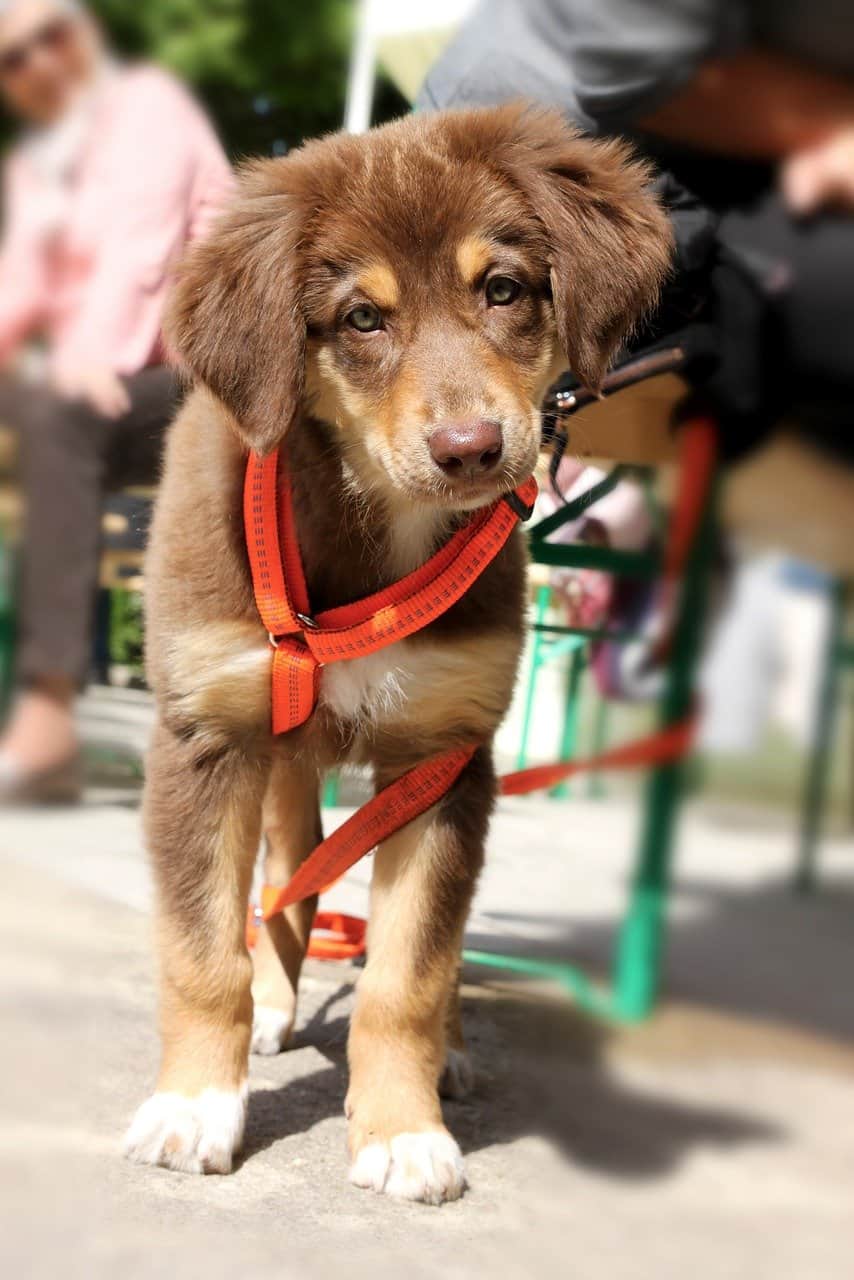
dog, puppy, snout

Filed Under: News

  • Page 1
  • Page 2
  • Go to Next Page »

Get In Touch!

089 4612537

info@fingalspca.ie

About Us

Registered Charity No: 19192
Charities Regulator No: 20074975
Dept of Agriculture Registry No: FPT2000020C

© Fingal SPCA 2015 -  2026. All Rights Reserved.